How to Do Keyword Research for SEO
A full process, walked through with a real example niche from start to finish — not just a list of tools to open.
Keyword research done well isn’t about finding a single magic phrase — it’s about mapping the actual language your audience uses at each stage of figuring out what they need, then matching content to that language and intent. Skip it, and even excellent writing ends up guessing at what people search for. Done properly, keyword research for SEO becomes the foundation everything else — content, structure, internal linking — gets built on top of.

Why Keyword Research Comes Before Everything Else
Writing content first and thinking about keywords afterward tends to produce articles that are well-written but aimed at nobody in particular. The content might be accurate and thorough, but if it doesn’t match the actual words and phrasing people type into a search bar, it has almost no path to being found by organic search traffic at all.
Keyword research flips that order. It starts with evidence of real demand — what people are actually searching for, how often, and with what intent — and only then moves into content planning. This doesn’t just help individual pages rank; it shapes the entire structure of a site, since keyword clusters naturally suggest which topics deserve their own dedicated pages and which belong together as sections of one broader piece.
The Types of Keywords You’re Actually Looking For
Not all keywords serve the same purpose. Understanding the categories before you start prevents building a keyword list that’s technically accurate but strategically useless.
A healthy content strategy usually includes a mix — long-tail informational content to build topical authority, and commercial or transactional keywords targeted on pages actually built to convert.
The Keyword Research Process, Step by Step
Start With Seed Keywords
List 5-10 broad terms directly describing your business or topic. These won’t be your final targets — they’re starting points to expand from.
Expand Using Autocomplete and “People Also Ask”
Type each seed keyword into Google and note the autocomplete suggestions and the questions in the “People also ask” box — both reflect real, current search behavior.
Check Search Volume and Competition
Use Google Keyword Planner or a similar tool to see estimated monthly searches and competitiveness for each candidate keyword, so effort goes toward terms with real demand.
Analyze the Current Search Results
Search the keyword yourself. The content format and depth of what’s currently ranking tells you exactly what a competitive entry needs to look like.
Cluster Related Keywords Together
Group keywords that share the same underlying intent using a keywords clustering tool — one comprehensive page targeting a cluster usually outperforms several thin pages each chasing one keyword.
Filter Out Irrelevant Terms
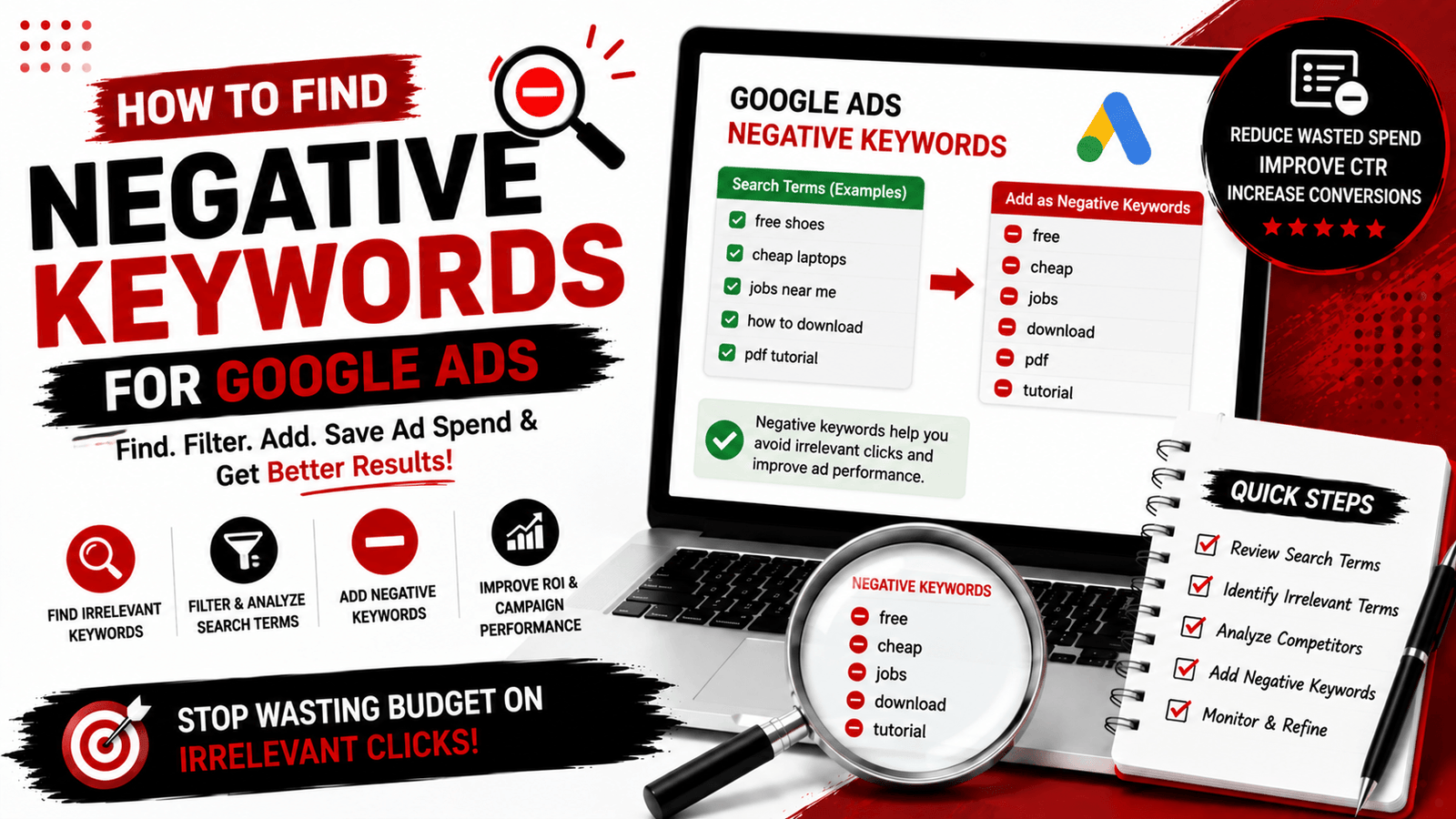
Some keywords look relevant but attract the wrong audience — a negative keywords generator helps identify terms worth excluding, especially useful if you’re also running paid search alongside SEO.
Prioritize by Opportunity, Not Just Volume
A lower-volume keyword with weak current competition often delivers results faster than a high-volume term dominated by established sites — factor in your site’s current authority realistically.
Check Keyword Usage in Your Draft →
A Full Worked Example: “Home Coffee Brewing”
Here’s the process applied to a real niche, from seed keyword to a finished content plan.
Seed keyword: “coffee maker”
Expanded via autocomplete and “People also ask”:
coffee maker vs espresso machine
how to clean a coffee maker with vinegar
coffee maker not working
single serve coffee maker under $50
Sorted by intent:
Clustered into one content plan: the two informational queries share obvious overlap — both point to a single comprehensive “Coffee Maker Troubleshooting & Maintenance Guide” instead of two thin, separate posts. The commercial queries suggest a comparison-style buying guide. The transactional query points to a dedicated product or category page, not a blog post at all.
This is the real value of the process: five loosely related phrases became two clear content pieces and one product page target — a far more actionable plan than a flat list of keywords with no structure behind it. Notice too that not every expanded keyword made the final plan; “coffee maker not working” and the vinegar-cleaning query merged into a single troubleshooting guide rather than becoming two separate, thinner posts competing with each other for the same audience.
Why Search Intent Matters More Than Volume
A keyword with 10,000 monthly searches is worthless if the content you build doesn’t match what those searchers actually want. According to Google’s SEO Starter Guide, understanding what your audience is searching for and matching content to that need is described as one of the most foundational parts of doing SEO well — more foundational than any individual technical tactic.
Mismatched intent shows up in the numbers even when a page technically ranks: high bounce rate, low time on page, and eventual ranking decline as Google’s systems register that the page isn’t satisfying the query it’s ranking for. A page written as a product comparison will struggle to hold rankings for a query where searchers actually wanted step-by-step instructions, no matter how well the comparison itself is written.
The fastest way to check intent accurately is simply reading the top five results for a target keyword before writing anything. If they’re all listicles, a single long-form guide is fighting an uphill battle regardless of quality — matching the expected format is often as important as matching the topic itself.
Keyword Research Feeds Directly Into Writing
Once your keyword list and clusters are set, the actual writing process starts — see How To Write a SEO Optimized Article for how to turn a target keyword and intent into a finished, structured piece.
Common Keyword Research Mistakes
Frequently Asked Questions
What’s the difference between short-tail and long-tail keywords?
How many keywords should one page target?
Is high search volume always better?
How often should keyword research be redone?
Do I need paid tools to do keyword research?
What is keyword clustering and why does it matter?
Should keyword research differ for a new site versus an established one?
Final Thoughts
Keyword research is really an exercise in mapping real language to real intent, then organizing that map into a content plan — not just collecting a long list of phrases. Start from seed keywords, expand with autocomplete and real search results, cluster by intent, and let a handful of loosely related terms turn into two or three clear, well-targeted pieces of content instead of a dozen scattered, thin ones.
The coffee maker example above works the same way for any niche — the specific phrases change, but the process of expanding, sorting by intent, and clustering into a coherent plan stays identical. Run through it once for your own topic, and it becomes far easier to repeat every time a new content idea comes up.