Content Marketing Tips For Beginners Guide 2026
A practical, step-by-step starting point for anyone launching a content strategy from zero — no jargon, no fluff, just what actually works this year.
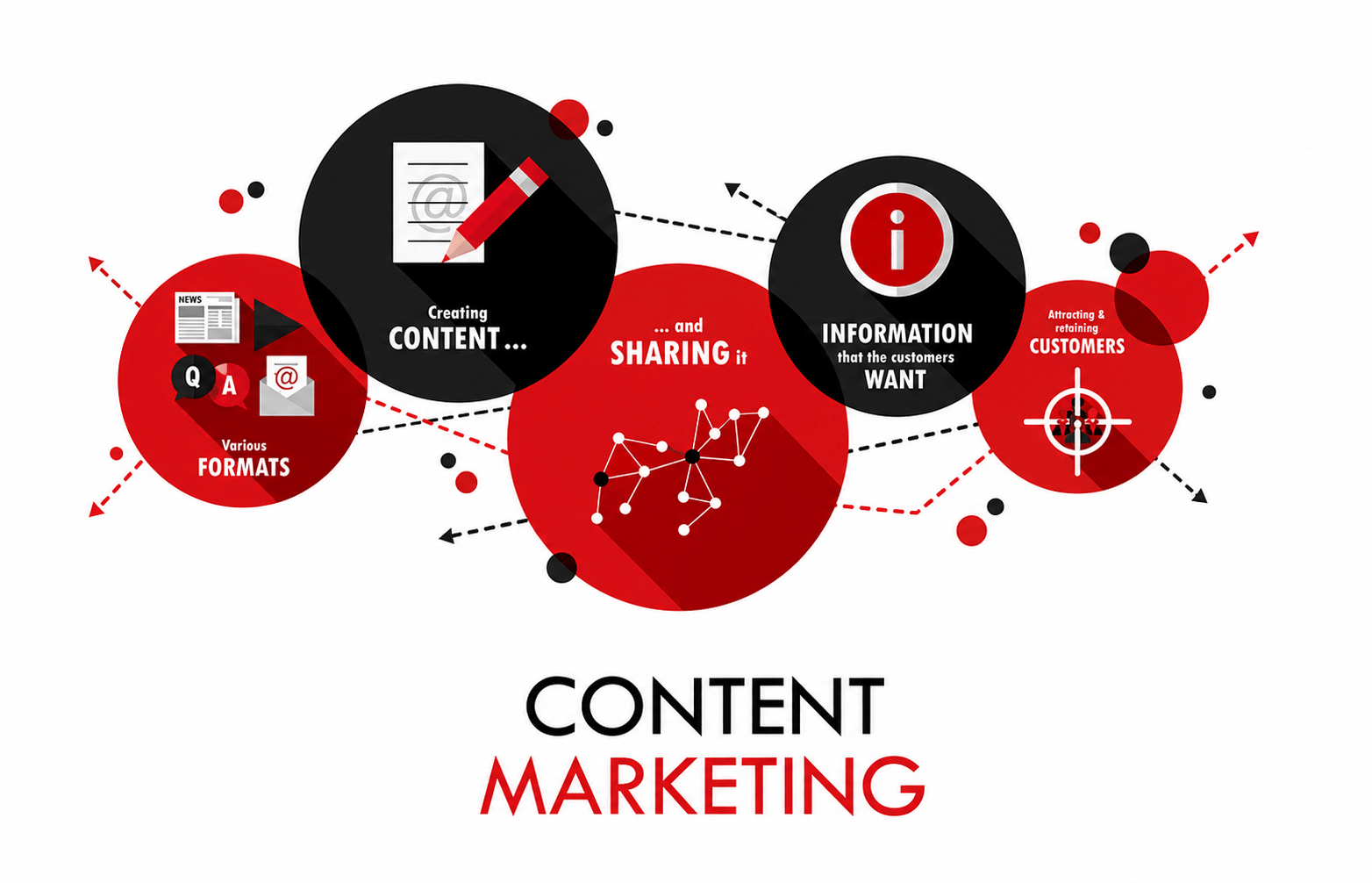
Most beginners start content marketing backwards — publishing first and figuring out the strategy later. That’s exactly why so many blogs, channels, and pages stall out after a few months. These content marketing tips for beginners flip that order: understand your audience and your goal first, then build a simple, repeatable system around it. Nothing here requires a big budget or a marketing degree, just consistency and the right starting habits.
The fastest way to get real results as a beginner is to pick one platform, define one specific audience, and publish one consistent content type around a small set of keywords for at least 90 days before judging results. Most of these content marketing tips for beginners come down to depth over breadth — one channel done well beats five done poorly.
What Is Content Marketing?
Content marketing is the practice of creating and sharing useful, relevant content — blog posts, videos, guides, social posts — to attract and retain a specific audience, without directly pitching a product in every piece.
Instead of interrupting people with an ad, content marketing earns attention by solving a real problem first. The sale, if it happens, comes later — after trust has already been built.
A Simple Example
A local bakery doesn’t just post photos of cakes for sale. Instead, they publish a short video showing “3 mistakes people make when storing homemade bread.” It’s genuinely useful on its own — but it also quietly positions the bakery as the local bread expert, so when someone wants fresh bread, that bakery is the first name they think of.
Why Content Marketing Still Works in 2026
Paid ad costs keep climbing every year, and organic reach on most platforms keeps shrinking for accounts without a real content foundation. Content marketing is one of the few channels left where consistent, useful output compounds over time instead of resetting every time a budget runs out.
A blog post, video, or guide published today can keep bringing in traffic, leads, or sales a year from now, long after a paid ad campaign has stopped. That compounding effect is the entire reason content marketing remains worth learning properly, even for a solo creator or a small team with no dedicated marketing department.
The numbers back this up too. According to HubSpot’s latest marketing research, content marketing ranks among the top-performing channels for return on investment for consumer-facing brands, alongside email and paid social. That’s a strong signal that a well-run content strategy isn’t just a nice-to-have — it’s a genuine growth channel worth the learning curve.
It also builds something ads can’t buy directly: trust. Someone who reads five genuinely useful articles from a brand before ever making a purchase arrives already convinced, which shortens the sales conversation dramatically.
Content Marketing Tips For Beginners: Where to Actually Start
Before touching any tool or platform, get these four fundamentals in place. Skipping this step is the single biggest reason beginner content plans fail within the first few months.
Define One Specific Audience
“Everyone” is not an audience. Get specific — their job, their problem, their stage of life — so every piece of content has a clear person to serve.
Pick One Core Platform First
A blog, a YouTube channel, or a single social platform — not all three at once. Depth on one channel builds momentum faster than thin effort spread everywhere.
Set One Measurable Goal
Traffic, email signups, or sales — choose one primary metric so you can actually tell whether your content is working, rather than guessing.
Commit to a Realistic Schedule
One well-researched post a week beats five rushed ones. Pick a frequency you can sustain for months, not just the first excited week.

Building Your First Content Plan
Once the fundamentals are set, the next step is turning them into an actual plan you can follow week to week rather than deciding what to publish the night before.
Content Formats Worth Learning First
Beginners often try to master every format at once. It’s far more effective to get genuinely good at one format before expanding.
Written content — blog posts and guides — remains the easiest starting point because it requires the least equipment and doubles as long-term SEO material. A single well-optimized article can rank in search results for years, quietly bringing in readers long after publishing.
Short-form video has become the fastest way to build initial audience awareness, since platforms actively push new accounts in front of fresh viewers when the content is genuinely engaging. It won’t replace long-form content, but it’s a strong discovery layer on top of it.
Email remains the most underrated format for beginners. Unlike social platforms, an email list is an asset you fully own — no algorithm can suddenly reduce its reach overnight.
Making Beginner Content Actually Get Found
Publishing good content isn’t enough on its own — it needs a basic on-page SEO foundation to have a real chance of being discovered by search engines and readers alike.
Every piece should target one primary keyword, use it naturally in the title, first paragraph, and a subheading, and answer the searcher’s actual question early rather than burying it under a long introduction. Search engines and readers both reward directness.
Internal linking matters more than most beginners realize too. Linking new content back to older, related pieces keeps readers on the site longer and helps search engines understand how your content connects as a whole topic cluster rather than isolated pages.
Pair Content With Basic On-Page SEO
Before publishing, run your draft through a quick keyword density and readability check — tools like our Keyword Density Checker and readability tools catch issues before they cost you rankings.
How to Stay Consistent Without Burning Out
Consistency, not talent, is what separates creators who grow from those who quit after a few months. The most sustainable approach is batching — writing or filming several pieces in one focused session rather than starting from scratch every single time.
Templates help enormously here too. A repeatable structure for how each post opens, develops, and closes removes the hardest part of content creation: staring at a blank page wondering where to begin.
Finally, track a small number of metrics weekly rather than obsessing daily. Content marketing compounds slowly, and checking numbers too often creates discouragement long before the strategy has had time to actually work.
Choosing the Right Tools as a Beginner
It’s tempting to sign up for a dozen tools before publishing a single piece of content. Resist that urge. A beginner realistically needs only three categories of tools: something for keyword research, something for writing and editing, and something for basic performance tracking.
Free keyword tools are more than enough starting out — the goal at this stage isn’t advanced competitive analysis, it’s simply confirming that real people are searching for the topics you’re planning to cover. Paid, more advanced tools become worth the investment later, once you have enough published content to justify deeper analysis.
For tracking, resist checking traffic dashboards daily. A simple weekly review of which pieces are gaining traction tells you far more than obsessive daily monitoring, and it protects your motivation during the slower early months.
Understanding Your Audience Before You Write Anything
A huge share of beginner content underperforms not because it’s poorly written, but because it answers a question nobody was actually asking. Spending time understanding your audience before drafting a single sentence pays off far more than any formatting trick or headline formula.
Start by reading through comments, reviews, and forum discussions in your niche. The exact phrases people use to describe their problems are often better content ideas than anything a keyword tool will surface on its own, since they reveal the real language and frustration behind a search.
It also helps to write down three to five recurring questions your ideal reader asks before ever finding your content. Building your first month of posts directly around those questions almost always outperforms content built purely around what feels interesting to write.
Content Marketing Tips For Beginners: Measuring What Actually Matters
Vanity metrics like raw view counts feel good but rarely tell you whether content marketing is working for your actual goal. Instead, tie every piece of content back to the one measurable goal you defined at the very start.
If the goal is email signups, track signups per article, not just traffic. If it’s sales, track which content pieces readers visited before converting. This kind of goal-specific tracking reveals which topics and formats are genuinely driving results, so future effort goes toward what’s proven to work rather than what simply feels productive.
Mistakes Beginners Make in Content Marketing
Frequently Asked Questions
What is the single most important content marketing tip for beginners?
How long does content marketing take to show results?
Do I need expensive tools to start content marketing?
Should beginners focus on blog posts or video content first?
How often should a beginner publish new content?
Final Thoughts
These content marketing tips for beginners all point toward the same core idea: pick a narrow focus, stay consistent, and give the strategy enough time to actually compound.
There’s no shortcut that replaces a clear audience, a repeatable schedule, and content genuinely built around what people are searching for. Start smaller than feels comfortable, master one channel, and expand only once that first channel is working reliably.